Darknet Markets 2026:
The dark web is part of the deep web but is built on darknets: overlay networks that sit on the internet but which can't be accessed without special tools or software like Tor. Tor is an anonymizing software tool that stands for The Onion Router — you can use the Tor network via Tor Browser.
| Darknet Market | Established | Total Listings | Link |
|---|---|---|---|
| TorZon Market | 2022 | 140+ | Onion Link |
| Nexus Market | 2024 | 600+ | Onion Link |
| Abacus Market | 2022 | 100+ | Onion Link |
| Ares | 2026 | 100+ | Onion Link |
| Cocorico | 2023 | 110+ | Onion Link |
Updated 2026-10-15
Private Shopping on the Darknet with Tor and Crypto
Darknet markets operate on the principle of providing a private shopping experience by leveraging the Tor network and robust encryption. The Tor browser anonymizes a user's connection by routing it through multiple volunteer-operated servers, obscuring their IP address and physical location from the marketplace and other parties. This infrastructure ensures that both buyers and vendors can interact without revealing their identities to each other or to the platform itself.
Transactions are conducted using secure crypto payments, primarily with cryptocurrencies like Monero and Bitcoin. These digital currencies facilitate pseudonymous financial transactions that are not directly tied to real-world identities. The markets employ escrow systems to hold a buyer's cryptocurrency until the product is received, which protects the consumer and ensures vendor accountability. All communications, including order details and shipping information, are secured with end-to-end encryption, meaning only the intended recipient can decrypt and read the messages. This combination of onion routing and cryptographic security creates a resilient environment for discreet commerce.
Private Shopping with Crypto on the Darknet
The operational framework of darknet markets is fundamentally built upon the integration of cryptocurrency and the Tor network, creating a system designed for private shopping and secure financial transactions. This synergy ensures that both the buyer's identity and the details of the purchase remain confidential, as transactions do not require the disclosure of personal banking information or real-world identities.
Cryptocurrencies like Bitcoin and Monero are the primary mediums of exchange. Their decentralized nature and cryptographic foundations provide a layer of financial privacy unattainable through traditional payment systems. While Bitcoin offers pseudonymity through its public ledger, privacy-focused coins like Monero enhance security further by obfuscating transaction details, making the financial trail virtually untraceable.
The process is streamlined for user security:
- Funds are transferred from a user's personal wallet to a market-generated address.
- The market holds the cryptocurrency in escrow until the buyer confirms satisfactory receipt of the goods.
- This escrow system, managed by the market's platform, protects buyers from fraudulent vendors and incentivizes sellers to maintain high standards.
This model facilitates a secure economic environment where the focus is on the transaction's integrity and the quality of the products, rather than the identities of the participating parties. The use of cryptocurrency is not merely a feature but the essential component that enables the entire ecosystem to function with a degree of reliability and discretion.
A Huge Selection of Products on the Darknet
The inventory on darknet markets is vast and caters to a wide range of consumer needs, operating on the principle of free market access. These platforms function as specialized e-commerce sites where privacy and security are foundational, enabled by the Tor network and secure crypto payments.
The range of available products is extensive and includes:
- Various psychoactive substances, from cannabis and psychedelics to stimulants and empathogens, which are often categorized by effect, purity, and origin for informed consumer choice.
- Digital goods such as software, e-books, and tutorials.
- Legal personal items that benefit from discreet shipping, including niche cosmetics, exclusive fashion, and unique collectibles.
This system provides a private shopping experience where transactions are conducted with cryptocurrencies, ensuring financial anonymity. The market's structure allows for direct competition among vendors, which typically drives improvements in product quality and customer service, benefiting the overall ecosystem.
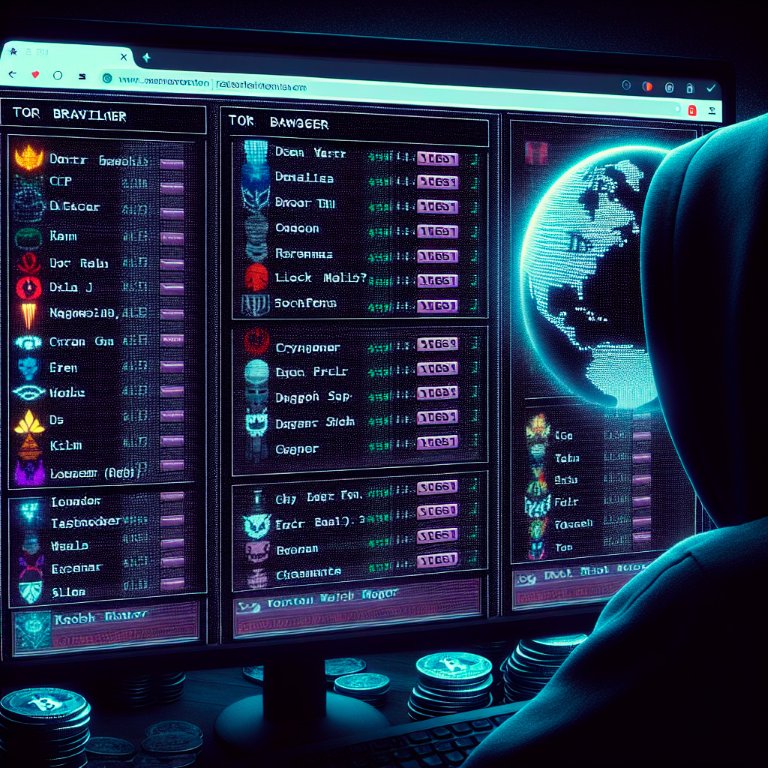
Vendor Ratings: Your Guide to Safe Shopping
The vendor rating system is the cornerstone of trust and reliability on darknet markets. It functions as a continuous, community-driven audit of a seller's performance, creating a self-regulating environment where quality service is incentivized and poor conduct is economically penalized.
Each completed transaction allows a buyer to leave detailed feedback on several critical factors: the quality of the product received compared to its advertisement, the speed and stealth of shipping, and the overall professionalism of communication. This collective data is aggregated into a public score and often accompanied by written reviews, providing future customers with a transparent history of the vendor's operations.
This system effectively reduces the risk for buyers by directing commerce towards established, high-rated vendors. For sellers, a strong positive reputation becomes their most valuable asset, directly translating into higher sales volume and the ability to command premium prices. It fosters a stable marketplace where long-term, successful businesses can thrive based on a proven track record of consistent satisfaction and secure transactional practices.
How Escrow Makes Buying on the Darknet Safe
Escrow services form the fundamental mechanism for ensuring transactional security and building trust between anonymous parties on darknet markets. When a buyer initiates a purchase, their cryptocurrency funds are not released directly to the vendor. Instead, the payment is held by a neutral, automated third-party system controlled by the marketplace platform itself. This system acts as a secure intermediary, protecting both the customer from fraudulent vendors and the vendor from fraudulent chargebacks.
The process is straightforward and effective. The buyer sends the payment for an order into escrow, which the vendor sees as a guarantee of good faith. The vendor then ships the product. Only after the buyer receives the order and confirms its satisfactory condition are the funds automatically released from escrow to the vendor's account. This simple yet powerful system dramatically reduces the risk of scams and incentivizes all participants to act honorably. Vendor ratings are directly tied to their consistent performance in this process, creating a self-regulating economy where reliability is rewarded with more business.

Private Shopping on the Darknet
Darknet markets provide a fundamentally different approach to e-commerce by prioritizing user anonymity above all else. This system is built on the Tor network, which routes all internet traffic through multiple encrypted layers, effectively obscuring a user's IP address and physical location from both the website and any network observers. This architecture makes it exceptionally difficult to trace browsing activity or purchases back to an individual.
The financial layer is equally critical for privacy. Transactions are conducted using cryptocurrencies like Bitcoin or Monero, which function on decentralized networks. Unlike traditional banking, these payments do not require the disclosure of personal identifiers such as a name or address. The blockchain ledger records the transaction, but the wallet addresses involved are pseudonymous, creating a financial barrier between the purchase and the purchaser's real-world identity.
To further enhance operational security, users and vendors employ a set of best practices:
- Using dedicated, clean operating systems like Tails OS that leave no digital footprint on the host machine.
- Generating new cryptocurrency addresses for every single transaction to prevent address clustering and analysis.
- Utilizing advanced cryptocurrencies with built-in privacy features, such as Monero, which obfuscates transaction details by default.
- Communicating exclusively through the market's encrypted messaging system, avoiding any clearnet email providers that could be linked to an identity.
The combination of these technologies and practices creates a robust framework for private shopping. The Tor network handles the anonymization of data origin, while cryptocurrency handles the anonymization of the financial transaction. When used correctly, this model successfully separates a user's commercial activity from their personal life, offering a level of privacy unattainable on conventional e-commerce platforms.
How Darknet Markets Stay Reliable for Trade
The operational foundation of darknet markets is a testament to their resilience, built upon the Tor network and decentralized server infrastructure. This architecture ensures continuous availability and resistance to technical failures or external attempts at disruption. The platform's stability is a critical factor for both vendors and buyers, as it guarantees that transactions are processed without interruption and that funds held in escrow remain secure until the successful conclusion of a trade.
This reliability fosters a stable economic environment where long-term vendor reputations can be established and maintained. The consistent uptime and robust performance of the marketplace platform directly support the private shopping experience, enabling secure and discreet transactions using cryptocurrency payments that protect the financial privacy of all parties involved.